Below are some highlighted speakers for our day together! You will also enjoy hearing from CHSR alumni, collaborators and community partners. Together we will honor the partnerships and discoveries that have defined CHSR while exploring what lies ahead. Additional speakers and details will continue to be added as they become available.

Matthew C. Aalsma, PhD
Matthew Aalsma, PhD, is the Johnathan & Jennifer Simmons Professor of Pediatrics at Indiana University School of Medicine. He is director of the Division of Child Health Services Research and the adolescent behavioral health research program. Trained as a juvenile forensic psychologist, Dr. Aalsma has focused his research on improving outcomes among vulnerable populations, including youth in the behavioral health and carceral systems. He has authored nearly 150 publications related to the health and well-being of youth, produced through 20 years of continuous extramural research funding (e.g. NIH, AHRQ, HRSA). His current research agenda includes exploring system-wide and individual efforts to improve the utilization of mental and physical health care among children and adolescents. This includes enhancing health risk screening across care settings and testing a variety of strategies to improve connection to evidence-based services for youth at all points in the legal process (diversion to incarceration). Most recently, he and colleagues have sought to improve addiction treatment options as adolescent overdose deaths have risen tremendously in the last several years.
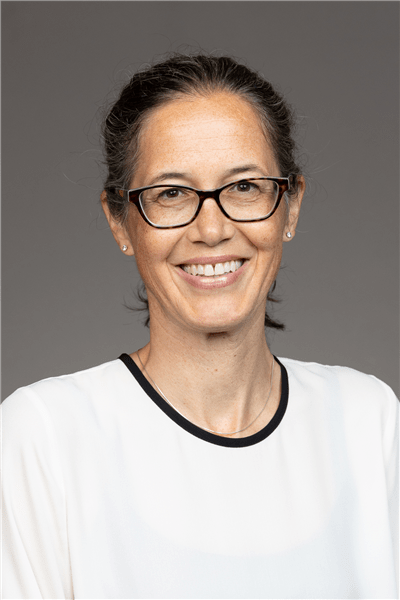
Sarah E. Wiehe, MD, MPH
Sarah Wiehe, MD, MPH, is associate dean for community and translational research and the Jean and Jerry Bepko Scholar in Pediatrics at Indiana University School of Medicine. Dr. Wiehe is also co-director of the Indiana Clinical and Translational Sciences Institute (CTSI). As part of the Indiana CTSI, she directs community health partnerships, WISE Indiana and Research Jam. As a pediatrician and public health researcher, her research specialty is leveraging existing data to improve health inequities among children, adolescents and young adults. She actively partners with patients and community stakeholders to guide research questions, design studies and disseminate findings. Dr. Wiehe is also a research scientist at Regenstrief Institute and an adjunct professor of epidemiology at the Richard M. Fairbanks School of Public Health. Dr. Wiehe serves as a member of the United States Preventive Services Task Force which seeks to improve health by making recommendations about clinical preventive services.
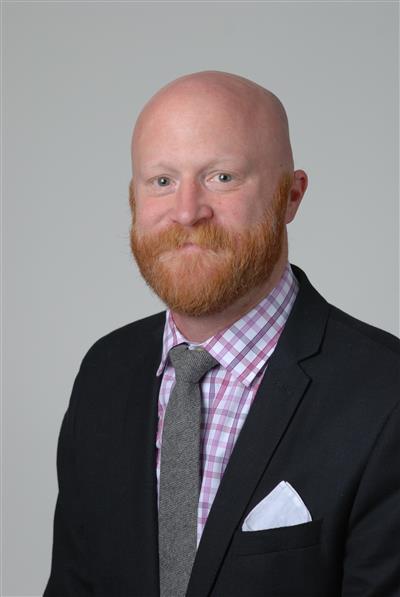
William E. Bennett, MD
William Bennett, MD, is an associate professor of pediatrics and is part of both the Division of Pediatric Gastroenterology, Hepatology and Nutrition as well as pediatric and adolescent comparative effectiveness research in the Department of Pediatrics. He is also an adjunct professor of urology and works closely with the section of pediatric urology in multiple areas of clinical research. He oversees NIH-funded projects in the areas of computerized clinical decision support in gastroenterology, automated depression and anxiety screening in children and adolescents, patient engagement research, and automated youth-to-adult care transition. He also has interests in health utility assessment and decision sciences, data mining of clinical and administrative data, and many other areas at the intersection of computer science and medicine. Dr. Bennett is also on the executive committee of the Morris Green Physician Scientist Development Program, and has ongoing interest in mentoring trainees at all levels to become effective clinician-investigators.

Rebecca McNally Keehn, PhD
Rebecca McNally Keehn, PhD, is an associate professor of pediatrics at Indiana University School of Medicine. She is the director of research for the Division of Developmental Medicine and associate director of Children's Health Services Research. Dr. McNally is also co-director of Indiana’s Early Autism Evaluation (EAE) Hub System, a statewide network of community primary care clinicians trained to provide streamlined diagnostic evaluations for young children, ages 14-48 months, at increased likelihood for autism. The overall objective of Dr. McNally’s research is to develop and evaluate innovative service models that improve equitable access to care for autistic children from minoritized and resource-constrained communities in the U.S. and globally. In line with this goal, her research has focused on advancing models of care coordination, building capacity of primary care clinicians to deliver community-based autism evaluations, deployment of telehealth for autism diagnosis, and building autism health service capacity in global resource-constrained settings, including Kenya. A secondary focus of Dr. McNally’s work is engagement in team science that aims to elucidate etiological mechanisms of autism; her role across diverse projects has been to lead diagnostic phenotyping and translation of outcomes for clinical impact. Dr. McNally’s work has been funded by the National Institutes of Health, Indiana CTSI, Indiana Department of Health and Riley Children’s Foundation.
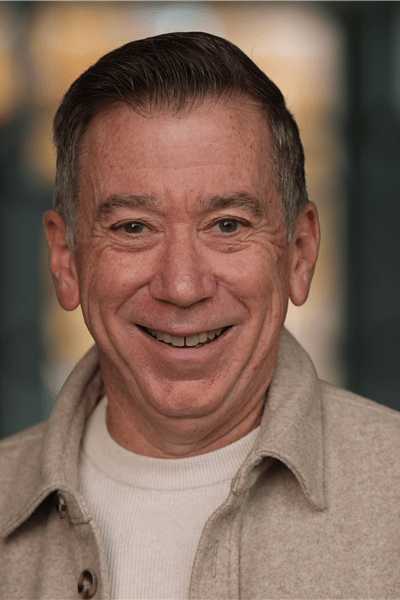
Jack E. Turman, PhD
Jack Turman, Jr., PhD, is a professor in the Department of Pediatrics at IU School of Medicine. He has dedicated his years in academia to growing education, research and outreach programs that optimize maternal and child health (MCH) outcomes for marginalized communities. After graduating with his bachelor’s degree from Washington University in St. Louis, he earned his PhD from UCLA and completed his postdoctoral fellowship in child and adolescent psychiatry at the UCLA School of Medicine. He was a professor for 15 years at the University of Southern California where his work was recognized by the state legislative bodies for building university-community partnerships to improve maternal and child health. He was then a professor and program director at the University of Nebraska Medical Center wherein he created community-based programming to address racial disparities in birth outcomes in partnership with Omaha’s African American community.