Clinical Trials Day is celebrated annually on May 20, a time to recognize the incredible work of clinical research professionals around the world. This year’s theme, “Research Rising,” honors the momentum created by the dedicated individuals who advance scientific discovery and improve patient care through research.
The Indiana University School of Medicine Department of Pediatrics proudly represents more than 115 clinical research staff members and countless faculty who work tirelessly to help manage over 275 pediatric clinical trials. From screening patients and coordinating visits to analyzing data and ensuring study safety, every role plays a critical part in the success of our research programs. Their commitment not only keeps trials running smoothly but also helps shape the future of pediatric healthcare for generations to come.
On Clinical Trials Day and every day, the department is proud to recognize and celebrate the clinical research colleagues who continue to rise above and beyond in service of children and families. Their stories reflect the compassion, resilience and purpose that drive pediatric clinical research forward every day.
Keep reading to meet some of the people behind IU’s pediatric clinical research.
Kelley S. Jackson, RN, research nurse coordinator, gastroenterology/hepatology/nutrition
 Question: What motivated you to specialize in the pediatric side of clinical research?
Kelley Jackson: I was drawn to pediatric clinical research because I wanted to make an impact on our children and their families. The long-term impact of research and the children of the future was also a huge factor.
Q: What is a common question you get from children and families who consider volunteering for a clinical trial, and how do you answer it?
Jackson: A common question I often receive from families is: How will this study impact the safety of my child? I explain (depending on what type of research they are participating in) that safety is our number one concern in clinical research. I inform them that we follow strict guidelines and our trials are reviewed by regulatory and ethics boards.
Q: Do you have a favorite memory from your time in clinical research?
Jackson: I have several, but one that stands out is a child who had never eaten orally before participating in a clinical trial. The study supported families through mealtime therapy, along with a randomized medication component. By the end of the trial, the child was eating by mouth, sitting at the kitchen table and sharing meals with their family — no longer relying on a G-tube for nutrition.
When the trial ended, the child’s mother became emotional and shared that she would not have been able to make that transition without the dedication of our team, who were always available to answer her questions and concerns. She said their family had never experienced sitting down together for a meal before.
Hearing that stayed with me. It made me realize how many of us take for granted can be life-changing for others. Seeing that child smile and watching their health transform was incredibly uplifting and it reinforced why this work is so meaningful to me.
Q: If you could give one piece of advice to your "Day 1" self in clinical research, what would it be?
Jackson: Take a deep breath and trust that every day will bring new opportunities to learn. No matter how long you have been in clinical research, there is always something new to discover — whether it is from patients, families, colleagues or the work itself. Embracing that continuous learning mindset from the beginning makes the journey more meaningful and more rewarding.
Q: Have you ever been on the volunteer side of a clinical trial? If so, what was that journey like from the participant's perspective?
Jackson: Yes — my young daughter has participated in a clinical trial. Being on the family side of research gave me a unique perspective. It opened my eyes to the fear of the unknown and the vulnerability that comes with enrollment in a study.
That experience has strengthened my empathy and understanding when working with families. I better appreciate the questions, concerns and uncertainty they face when considering participation. It has helped me become more intentional in how I communicate, support and guide families through the research process.
Veronica Servin, clinical research specialist, pediatric nephrology
Question: What motivated you to specialize in the pediatric side of clinical research?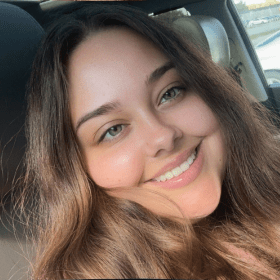
Veronica Servin: I have always wanted to work with children, especially those who are underserved and underrepresented in clinical research. This disparity can be seen in trials involving new medications, which are usually tested in adults first and can take years before becoming available to children. Being able to help families and children access treatment more easily and understand disease progression, is what made me gravitate towards pediatric research.
Q: What is a common question you get from children and families who consider volunteering for a clinical trial, and how do you answer it?
Servin: One of the main questions I have been asked is what is the end goal of the study and what happens to my biological research sample my child and I donate? The answer to these questions depends on the study that the child is involved in. For instance, with observational studies, we want to examine how a specific disease progresses in children, since chronic conditions often develop differently in children than they do in adults. Because of this, it is important to have families and children understand why their biological samples are collected and held in a biorepository. This allows for future testing as more data becomes available or technology advances, with the hope of avoiding risky procedures, such as biopsies, to diagnose a condition.
Q: Do you have a favorite memory from your time in clinical research?
Servin: One of my favorite memories in clinical research comes from a study patient who likes to call me the “snack lady," because I bring snacks during their study visits. Being able to ease stress, especially for younger children coping with fear and anxiety during a challenging time, has shown me that something as simple as a snack can be a gateway to build rapport.
Q: If you could give one piece of advice to your "Day 1" self in clinical research, what would it be?
Servin: One piece of advice that I would give to my “Day 1” self is that no matter how hard you try, you will never be 100% perfect. It is OK to ask questions and it is OK to ask for help.
Q: What area of research outside of your current role most interests you?
Servin: An area of research that does pique my interest is looking further into the mental health of children with chronic diseases and the impact their condition has, not only physically but also mentally.
Nate De Jong, PhD, clinical research leader, pediatric endocrinology and diabetes
Question: What motivated you to specialize in the pediatric side of clinical research?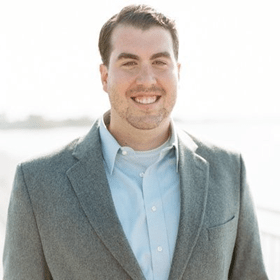
Nate De Jong: I was drawn to pediatric clinical research because, as a family man, I understand how important children’s health and well-being are to families. Pediatric research combines scientific advancement with the opportunity to make a meaningful difference in children’s lives. I have always appreciated that the work goes beyond protocols and data; it is also about supporting families, building trust and helping improve care for future generations of children.
Q: What is a common question you get from children and families who consider volunteering for a clinical trial, and how do you answer it?
De Jong: A common question I hear from families is whether participating in a clinical trial is safe for their child. As a parent myself, I understand why families ask that question. I always explain that participant safety is the top priority in clinical research and that studies are carefully reviewed and monitored. I also emphasize that families should never feel pressured to participate and that asking questions is an important part of the process. My role is to help families feel informed, respected and supported as they make the decision that is best for them.
Q: Do you have a favorite memory from your time in clinical research?
De Jong: A memorable moment for me in clinical research is any time a child agrees to attend a clinical trial. Even with the support and guidance of their family, it is still a meaningful and important decision for a young person to make. Seeing children and families come together to contribute to advancing medicine and helping future patients is something I never take for granted. Those moments are a reminder of the trust families place in research teams and the important role participants play in improving healthcare for future generations.
Q: If you could give one piece of advice to your "Day 1" self in clinical research, what would it be?
De Jong: If I could give one piece of advice to my “Day 1” self in clinical research, it would be to trust the strength of teamwork and stay open to new experiences and opportunities to learn. Clinical research is highly collaborative and no one succeeds alone. Some of the most valuable growth comes from navigating challenges, adapting to new situations and learning from the people around you. Over time, I have learned that asking questions, staying open-minded and continuing to grow are all essential to success in this field.
Q: Have you ever been on the volunteer side of a clinical trial? If so, what was that journey like from the participant's perspective?
De Jong: Yes. Earlier in my career, while working as a coordinator in adult endocrinology studies at another institution, I participated in an exercise research study as a volunteer. The study involved a controlled diet, exercise interventions, metabolic measurements including whole-room calorimetry and doubly labeled water, as well as muscle and adipose tissue biopsies. Experiencing a clinical trial from the participant’s perspective gave me a greater appreciation for the level of commitment, trust and time that volunteers contribute to research. It also reinforced the importance of clear communication, patient support and making participants feel informed and respected throughout the research process.
Rising together
Clinical Trials Day serves as a powerful reminder that research is more than data, protocols and procedures — it is people. Behind every study are dedicated professionals who work tirelessly to support patients, families and one another in pursuit of better treatments and brighter futures.
This Clinical Trials Day, we celebrate the compassion, expertise and commitment of our pediatric clinical research teams who continue to embody what it means to keep “Research Rising.” Their work is transforming pediatric healthcare today while building hope for generations to come.
To all our clinical research professionals: thank you for the extraordinary impact you make every day.